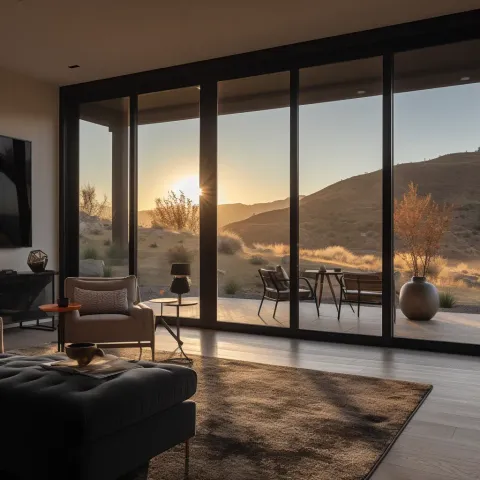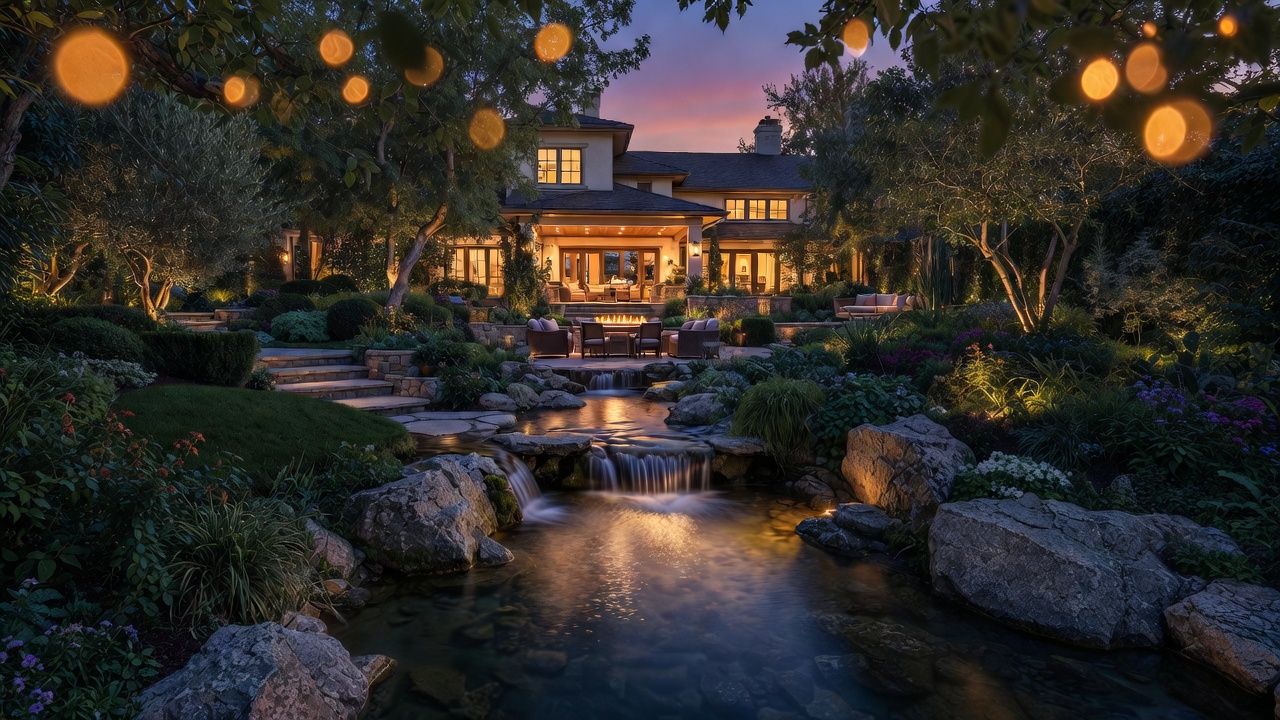
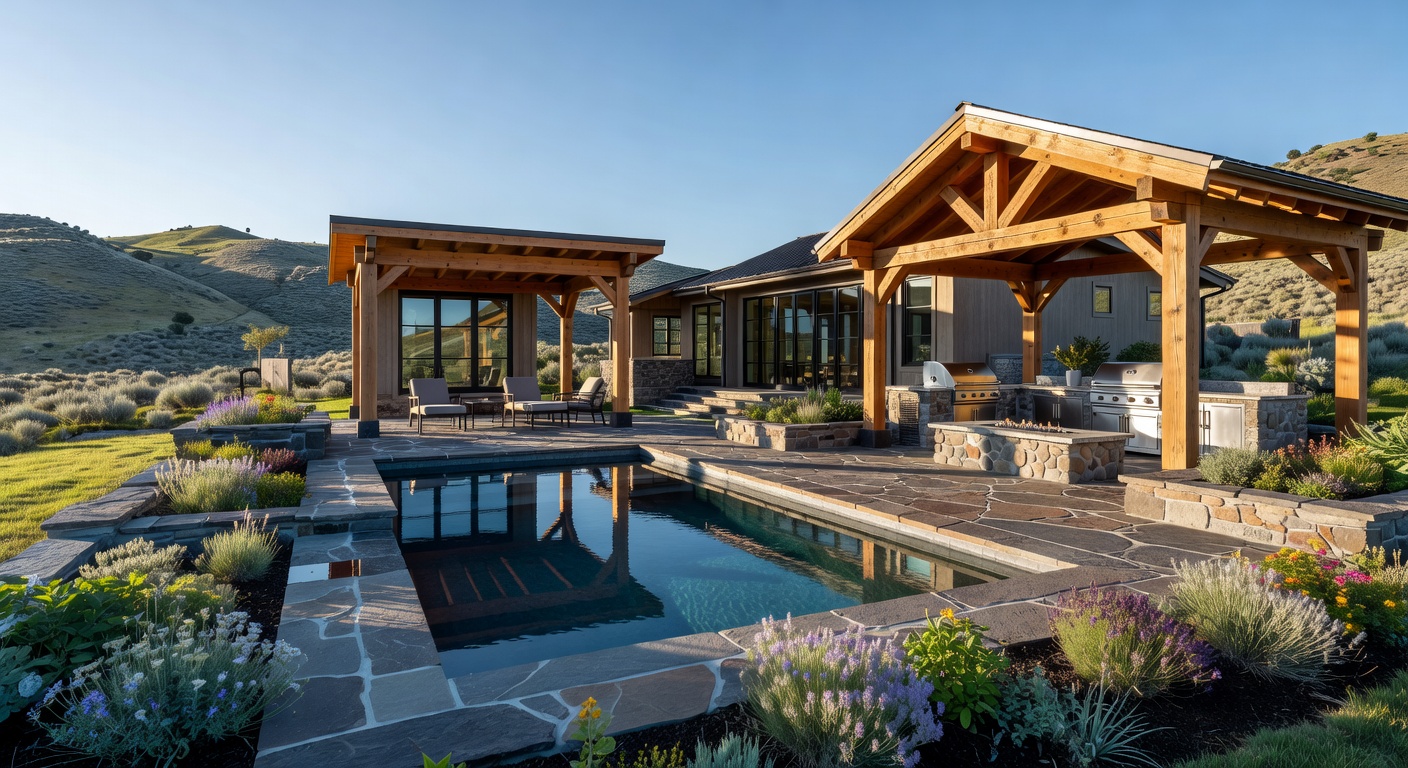
Outdoor living in Idaho is not just a patio photo. The best spaces deal with sun, wind, snow, privacy, smoke season, evening temperature swings, and the way people actually move between the kitchen, great room, yard, and views.
That is why outdoor living needs to be part of the design conversation early. A covered patio, outdoor kitchen, pool, fire feature, or view-facing terrace should fit the lot, budget, structure, drainage, and daily rhythm of the home instead of being added as a disconnected feature later.
I work with clients throughout Nampa, Boise, Meridian, Eagle, McCall, and the Treasure Valley. The outdoor spaces that work best here are not the flashiest ones. They are the ones designed for Idaho conditions and for the way the family will actually use the home.
Why Outdoor Living Design in Idaho Matters Before You Start Designing
A lot of homeowners want to start with floor plans, exterior styles, cabinet colors, and inspiration photos. I understand that instinct. That is the fun part. But if we jump straight into aesthetics without understanding the site, budget, schedule, and construction strategy, we can accidentally design something that looks great on paper and becomes painful to build.
The better approach is to start with priorities. How do you want the home to live? Where do you spend the most time? Do you entertain? Do you need room for aging parents, adult children, guests, hobbies, equipment, or a home office? Do you want a low-maintenance home, or are you comfortable with materials that need more upkeep? These questions shape the design more than any Pinterest board ever will.
With outdoor living design in Idaho, I also want clients thinking about long-term value. A home should feel personal, but it should not be so narrowly designed that it becomes difficult to maintain, difficult to finance, or difficult to sell later if life changes. Good custom design balances personality with practicality.
Start With How You Actually Live
One of my favorite parts of this work is learning the small details of how a family lives. Some clients need a huge kitchen because everyone gathers there. Others care more about a quiet primary suite, a functional mudroom, a shop, a covered patio, or a garage that can handle Idaho toys and storage. None of those priorities are wrong. They just need to be understood early.
Imagine coming home in January with snow on your boots, groceries in the back seat, kids or dogs moving in three directions, and a garage full of seasonal gear. A beautiful entry photo does not help if the daily path into the house is a mess. That is the kind of practical detail I want solved in the design phase, not after framing.
Match the Design to the Lot
The lot has a vote. Sun orientation, views, slope, drainage, setbacks, utilities, road access, neighboring homes, wind exposure, and soil conditions all affect the final design. A plan that works perfectly on a flat subdivision lot in Nampa might not make sense on a wooded or sloped site near McCall.
Before we commit to a layout, I want to understand where the morning light comes from, where the best views are, how water moves across the property, and how the home will feel from the street. That is especially important when choosing a custom home builder in the Treasure Valley, because local conditions can make or break the comfort and performance of a home.
The Design-Build Advantage in Idaho
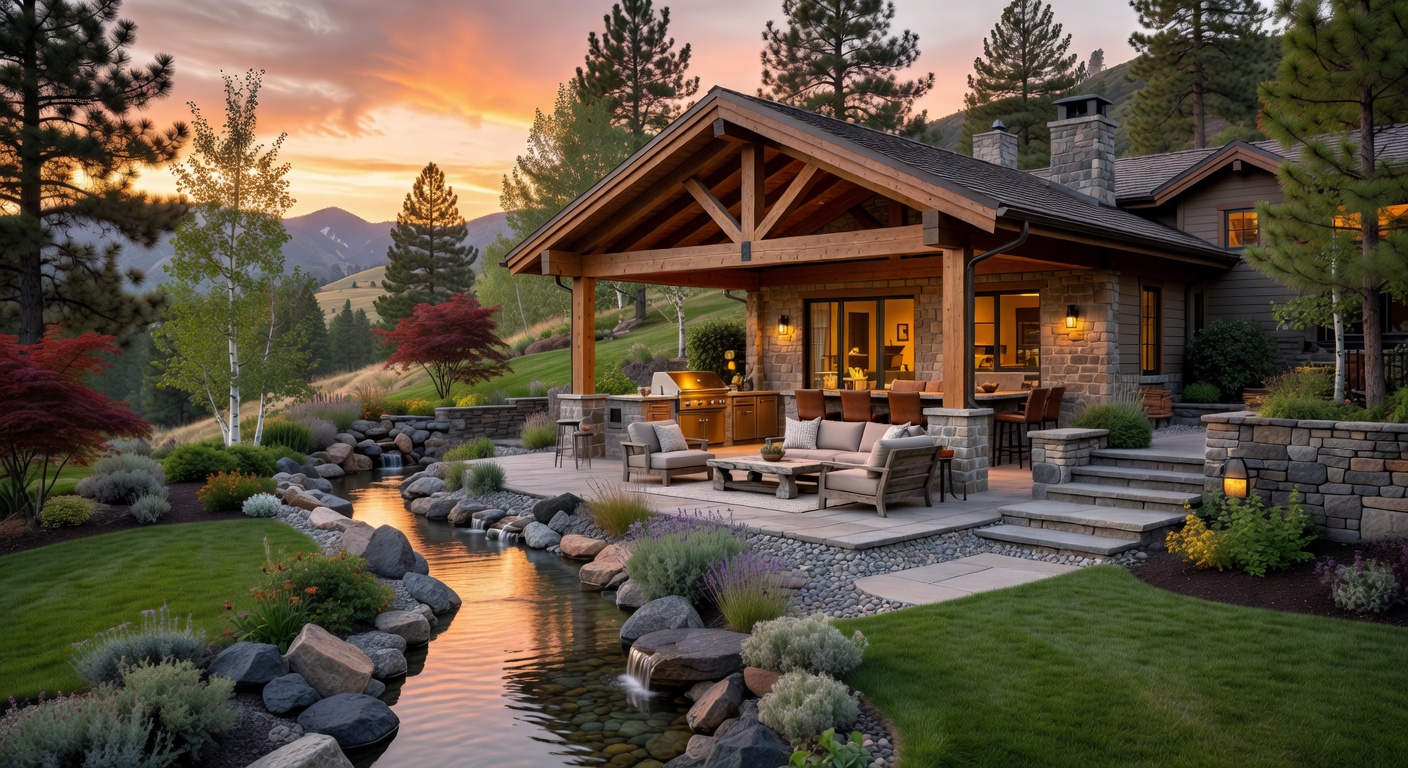
Design-build means the design and construction sides of the project are coordinated from the beginning. I believe that matters because custom homes are full of decisions where design intent and construction reality have to line up. If those two sides are separated, you can end up with beautiful drawings that do not match the budget, or a builder trying to interpret details that were never fully resolved.
With a design-build process, we can talk about cost, materials, sequencing, and constructability while the design is still flexible. That does not mean every answer is easy. It means we can deal with the hard questions early, when changes are less expensive and less disruptive.
Budget Conversations Happen Earlier
Budget should not be treated like a scary conversation at the end of design. I want it on the table early. If a client has a target range, we need to design toward that range from day one. If the wish list is bigger than the budget, we can either adjust scope, phase certain pieces, simplify geometry, change finish levels, or make intentional trade-offs.
That is much better than designing the dream version for months and then discovering it is hundreds of thousands of dollars beyond where it needs to be. Nobody enjoys that conversation. More importantly, it wastes time and trust.
Constructability Is Part of Good Design
A home can look simple and still be complicated to build. Rooflines, window groupings, structural spans, ceiling transitions, waterproofing details, and exterior material changes can all affect cost and long-term durability. The goal is not to strip the home of character. The goal is to make sure the character is achieved intelligently.
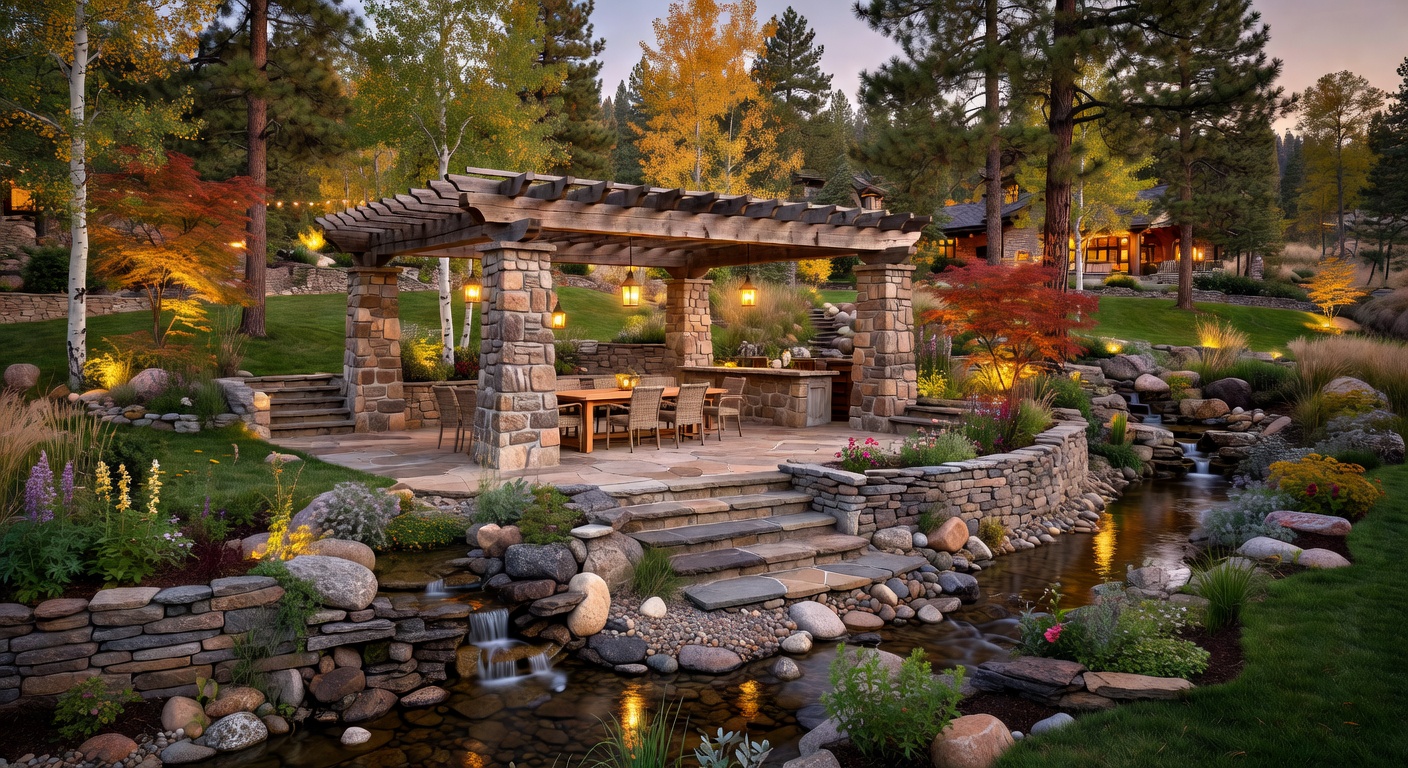
That is where covered patio design in Idaho becomes useful. When design and construction are coordinated, we can keep the architecture strong without creating unnecessary complexity. Sometimes a small adjustment to a roof pitch, wall alignment, or window size can save money and improve performance without changing the feel of the home.
What a Realistic Custom Home Budget Should Include
One of the biggest mistakes I see is treating the construction number as the whole budget. It is not. A real budget needs to include land, design, engineering, permits, site work, utilities, construction, landscaping, contingencies, financing costs, and sometimes furnishings or window coverings. Leaving those out makes the project feel cheaper than it really is.
In the Treasure Valley, custom home costs vary widely depending on the lot, the size of the home, finish level, structural complexity, and current labor and material pricing. A simple home on an easy lot with disciplined selections is a very different project than a highly detailed home on a challenging site with custom everything.
Construction Cost Is Only One Line Item
When I talk with clients about budget, I like to separate the visible costs from the hidden ones. Cabinets, flooring, countertops, and fixtures are easy to see. Site preparation, utility trenching, engineering, drainage, concrete, insulation, and mechanical systems are less glamorous, but they matter just as much.
If you underfund the parts of the home that protect comfort and durability, you may not notice it on move-in day. You will notice it over time. Drafty rooms, poor drainage, uncomfortable spaces, maintenance issues, and high utility bills are often the result of budget decisions made too casually early in the process.
Contingency Is Not Optional
I always recommend carrying a contingency. Not because we expect chaos, but because custom construction involves real conditions. Soil can surprise you. Lead times can shift. A client may decide that a certain upgrade is worth it after seeing the space framed. Having a contingency keeps those decisions from becoming emergencies.
For most custom home projects, I like to see a contingency in the 10 to 15 percent range. That cushion gives everyone room to make smart decisions instead of panic decisions.
Timeline: What to Expect From First Conversation to Move-In
A properly planned custom home in Idaho usually takes longer than people hope and less time than they fear. For most projects, a realistic range from early design to move-in is 12 to 18 months. Smaller or simpler projects can move faster. Larger, more detailed, or more remote projects can take longer.
The important thing is understanding where the time goes. Design takes time because decisions need to be made in the right order. Permitting takes time because jurisdictions have review processes. Construction takes time because quality work has sequence: foundation, framing, rough-ins, insulation, drywall, finishes, exterior work, inspections, and final details.
Design and Planning
The design phase is where we define the home. We talk through lifestyle, budget, site, style, square footage, room relationships, views, storage, and long-term needs. Then those ideas turn into drawings, and the drawings become construction documents.
This is also where I want selections and priorities clarified as much as possible. The more we decide before construction, the fewer delays we create during construction. That is especially true for windows, cabinets, appliances, specialty materials, and anything with a long lead time.
Permits and Pre-Construction
Permitting timelines vary by city and county. Boise, Nampa, Meridian, Eagle, McCall, Valley County, and other jurisdictions all have their own processes. Some reviews move quickly. Others require revisions or additional documentation. It is not the exciting part of the project, but it is crucial.
During pre-construction, we also finalize schedules, trade coordination, material planning, and site logistics. This is where a lot of potential problems can be prevented quietly before anyone ever sees a shovel hit the ground.
Construction
Construction is where the home finally becomes real. Framing is usually the most dramatic stage because the shape appears quickly. After that, progress can feel slower because the work becomes more detailed. Mechanical systems, insulation, drywall finishing, trim, cabinetry, tile, paint, and final fixtures all take time.
Clients sometimes get impatient during the finish phase because the home looks close. I get it. But the last ten percent matters. That is where details get cleaned up, systems are tested, inspections are completed, and the home becomes ready to live in instead of just ready to photograph.
Common Mistakes to Avoid
Most custom home problems are not caused by one big, catastrophic decision. They come from a series of small, rushed decisions that compound. A little uncertainty in the budget. A little vagueness in the drawings. A few selections pushed too late. A few assumptions nobody clarified. Suddenly the project feels harder than it needed to be.
Mistake 1: Designing Before Budget Is Real
If the budget is not real, the design is not real. I would rather have an honest budget conversation early than a painful redesign later. That does not mean every number is locked on day one, but the project needs a target and a strategy.
Mistake 2: Choosing Style Over Function
Style matters. I care a lot about how homes look and feel. But style cannot carry a bad plan. If the kitchen does not function, the mudroom is too small, storage is weak, or the outdoor spaces are disconnected from daily life, the home will frustrate you no matter how good the finishes are.
Mistake 3: Waiting Too Long on Selections
Late selections create schedule pressure. Cabinets, windows, appliances, plumbing fixtures, tile, and lighting all need lead time. When decisions are delayed, the field team either waits or works around missing information. Neither option is ideal.
Mistake 4: Ignoring Idaho Climate
Idaho gives us hot summers, cold winters, wind, snow, freeze-thaw cycles, and dry conditions. The home needs to respond to that. Overhangs, insulation, HVAC design, window placement, exterior materials, drainage, and covered outdoor spaces all matter here.
How I Think About Style: Timeless First, Trend Second
Clients often bring style references: modern farmhouse, mountain modern, contemporary, craftsman, traditional, or some mix of several ideas. I like that. Visual direction helps. But the strongest homes are not copies of a trend. They are grounded in proportion, materials, light, scale, and the way the home sits on the land.
Modern farmhouse can still work beautifully in Idaho when it is done with restraint. Mountain modern can be stunning when it feels connected to the site instead of pasted onto it. Traditional homes can feel fresh with the right plan and details. The label matters less than the execution.
Good Design Feels Natural
When a home is designed well, people may not be able to name every detail, but they feel the difference. Rooms have the right proportions. Light lands where it should. Ceiling heights make sense. The exterior feels balanced. Circulation is easy. Storage appears where life actually creates clutter.
That kind of design does not happen by accident. It comes from asking better questions early and refusing to treat the home like a collection of disconnected features.
Questions I Would Ask Before Hiring a Builder
If you are comparing options, I would ask direct questions. You are trusting someone with a major investment, and you should understand how they work.
- Who is responsible for coordinating design, budget, and construction?
- How early will we talk about realistic costs?
- What is included in the estimate, and what is excluded?
- How are changes handled?
- How often will we communicate during construction?
- What decisions need to be made before we start?
- How do you protect schedule and quality?
- What happens if site conditions create unexpected costs?
The answers matter. A good process should reduce confusion, not create dependency on constant guesswork.
FAQ About Outdoor Living Design in Idaho
How early should I involve a design-build team?
As early as possible, especially if you have not purchased land yet. A good design-build team can help you evaluate site challenges, budget fit, orientation, utilities, access, and whether the lot supports the kind of home you want to build.
How long does a custom home usually take in Idaho?
Most full custom homes take about 12 to 18 months from early design through move-in. The timeline depends on design complexity, permitting, site conditions, material lead times, weather, and how quickly decisions are made.
What is the biggest budget mistake homeowners make?
The biggest mistake is planning around only the construction cost and forgetting land, permits, design, engineering, site work, utilities, landscaping, contingency, and financing costs. A real budget needs to include the whole project.
Can I bring inspiration photos?
Yes. Inspiration photos are helpful because they show what you are drawn to. I just do not want the design to become a copy of someone else’s home. The best result takes inspiration and adapts it to your site, budget, and lifestyle.
Is design-build better than hiring a designer and builder separately?
For many custom home clients, yes. Design-build keeps budget, constructability, schedule, and design intent connected from the beginning. That helps reduce surprises and makes it easier to make smart trade-offs before construction starts.
What areas do we work in?
We work with clients in Nampa, Boise, Meridian, Eagle, the Treasure Valley, McCall, Valley County, and surrounding Idaho communities. The right fit depends on the project scope, location, and schedule.
Final Thoughts
A custom home should feel exciting, not chaotic. There will always be a lot of decisions, but the process should be clear enough that you understand what is happening and why it matters. That is the standard I try to bring to every project.
If you are thinking about outdoor living design in Idaho or planning a custom home anywhere in the Treasure Valley or McCall area, I would be glad to talk through the early questions with you. Even a first conversation can help clarify budget, land, timeline, and whether the project is ready to move forward.
Reach out anytime: create@abstractrd.com or (208) 906-1650
Abstract Residential Design + Build — custom homes, design-build projects, additions, ADUs, and luxury residential work in Nampa, Boise, McCall, and the Treasure Valley.