
Building In The Boise Foothills | Abstract RD+B
The grade can shape the driveway, garage placement, foundation strategy, retaining walls, outdoor rooms, and how the home steps with the land.
If you are building a custom home in the Boise foothills, Abstract RD+B helps connect the Idaho site, budget, design-build drawings, access, drainage, wildfire planning, views, structure, and review requirements before the floor plan or construction path gets too detailed.
Talk About Your Foothills LotThere is something special about a home that sits into the Boise foothills instead of fighting against them. The views, the light, and the changing terrain can create a home that feels deeply connected to its place.
But hillside building is not the same as building on a flat lot. The design has to respond to the land, and the budget has to account for the work required to build responsibly. For lots elsewhere in the city, see our page on building a home in Boise.
If you are evaluating land, our land acquisition guidance, Boise service page, and custom home design-build service are useful next steps.
The grade can shape the driveway, garage placement, foundation strategy, retaining walls, outdoor rooms, and how the home steps with the land.
Driveway grade, turning space, emergency access, snow or ice exposure, and construction staging all need to be studied early.
Water movement, soil conditions, erosion control, retaining walls, and foundation choices affect how the home performs over time.
Exterior materials, vents, defensible space, landscaping, access, and local requirements can all influence the design.
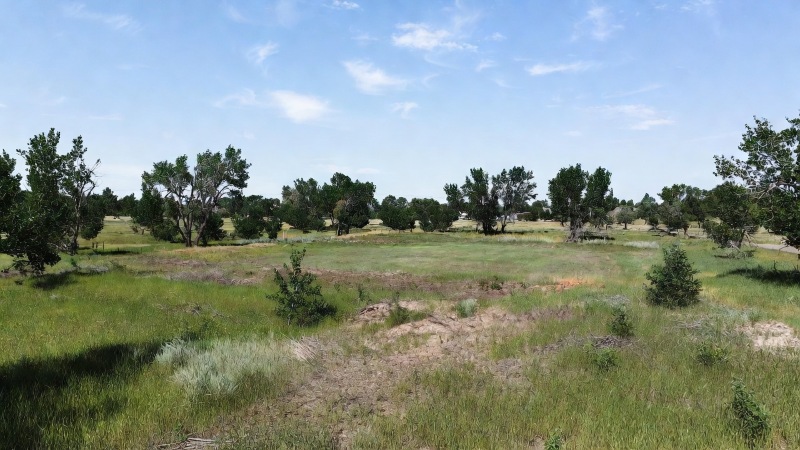
Slope affects almost every part of a foothills project. It can shape the driveway, garage placement, foundation strategy, retaining walls, drainage, outdoor living spaces, and how the home steps with the land.
Good design starts with respecting those conditions. A home that works with the slope usually feels more natural and can avoid forcing expensive solutions later.
A beautiful view lot still needs practical access. Driveway grade, turning space, emergency access, snow or ice exposure, and construction staging all need to be considered.
These details may not be the first thing a client imagines, but they matter. If trucks, trades, and materials cannot move safely and efficiently, the project becomes harder before the home is even framed.
Foothills homes need careful attention to water movement. Drainage, erosion control, soil conditions, retaining walls, and foundation design can all affect how the home performs over time.
Geotechnical information and structural review may be needed to make smart decisions. We do not guess at these items. We want the right information in the room before the design is too far along.
Wildfire risk is an important consideration in foothills and hillside areas. Site planning, defensible space, access, exterior materials, vents, landscaping, and local requirements can all influence the design.
Foothills homes often start with the view, but the best designs balance that view with privacy, sunlight, wind, outdoor living, and the way the home feels from the street.
Study slope, utilities, driveway feasibility, drainage, views, privacy, HOA requirements, and buildable area before design locks in.
Bring geotechnical information, structural review, budget thinking, and site logistics into the conversation before the plan is too far along.
Plan glass, decks, outdoor rooms, wind exposure, privacy, sun, and street presence together instead of treating the view as the only goal.
Large glass, decks, roof forms, and outdoor rooms can all be beautiful, but each decision has practical consequences. We help clients weigh those tradeoffs so the home feels intentional, not just dramatic.
The earlier we understand the land, the better we can help shape a design, budget conversation, and construction approach that fits the foothills site.
It can be more complex than building on a flat lot. Slope, access, drainage, structural review, wildfire planning, HOA review, and permitting can all add steps that need to be planned early.
Look closely at slope, utility access, driveway feasibility, drainage, soils, HOA requirements, wildfire considerations, and buildable area. A design-build conversation before purchase can help identify questions to ask.
They can, depending on the site. Excavation, retaining walls, foundation design, driveway access, drainage, utilities, and technical coordination can all affect the budget. The specific lot matters.
Yes, but it needs to be planned carefully. Terraces, patios, decks, protected courtyards, and stepped outdoor spaces can all work when they are designed with the slope instead of added as an afterthought.
Early. The land has a strong influence on the design, budget, and construction approach. Bringing the team in early helps identify constraints before they become expensive surprises.
If you are planning a custom home in the Boise foothills, we can help you think through the site, design tradeoffs, budget drivers, and next steps before the project gets too far down the road.
Talk About Your Foothills Lot