
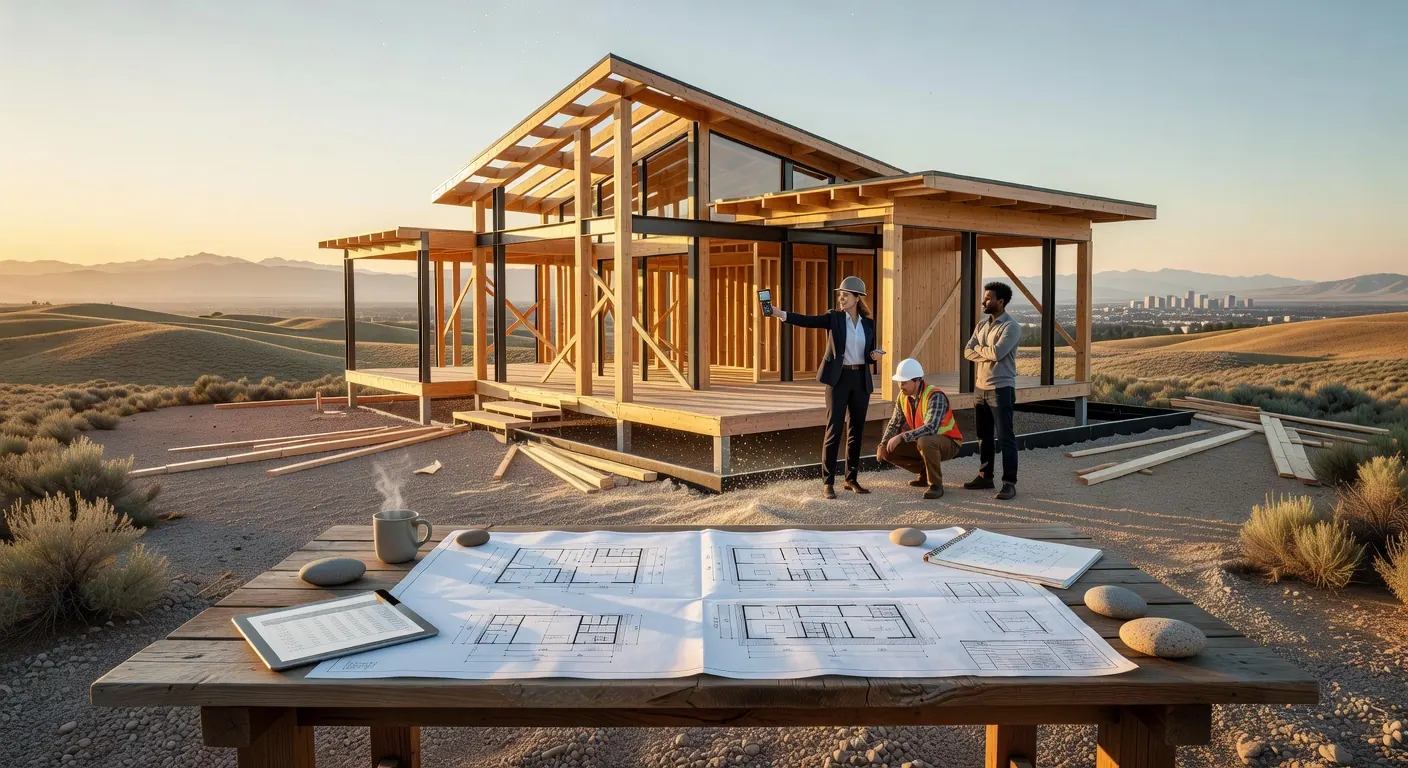
Discovery and Early Planning
Clarify the land, goals, budget range, daily-life priorities, and known constraints before design gets too specific.
A custom home timeline in Boise and the Treasure Valley is not a one-step project. It moves through discovery, design, estimating, permitting, selections, construction, punch work, and move-in. We help clients understand the phases so the process feels clear from the beginning.
Start a Planning ConversationMost custom homes we build in Idaho take 11 to 18 months from the first meeting to move-in. Design, including permit timing, usually takes 2 to 4 months, and construction takes 8 to 14 months. Larger luxury homes take longer: about 3 to 5 months for design and 10 to 16 months for construction. It varies greatly by the complexity of the project.
| Home type | Design | Construction | Total |
|---|---|---|---|
| Standard custom | 2–4 months | 8–14 months | 11–18 months |
| Luxury custom | 3–5 months | 10–16 months | Varies by scope |
What stretches a timeline: sloped or remote sites, HOA review, winter at mountain lots, and late selections.
Building a custom home is a long-term investment in how you want to live. It takes patience, good communication, and a team that can guide the project from early ideas to finished details.
Every home, site, jurisdiction, and season is different, so the ranges above are typical, not promises. What we can do is explain the major phases and the variables that tend to affect how long a custom home takes to build in Idaho.
If you are still shaping the project, start with our custom home design-build service, review our process, check what affects cost, or visit the FAQ for practical planning questions.
Clarify the land, goals, budget range, daily-life priorities, and known constraints before design gets too specific.
Develop floor plans, exterior direction, site orientation, material thinking, and budget alignment together.
Coordinate estimating, structural review, energy requirements, permit documents, HOA review, and jurisdiction comments.
Move through site work, foundation, framing, systems, finishes, exterior work, punch items, and move-in.
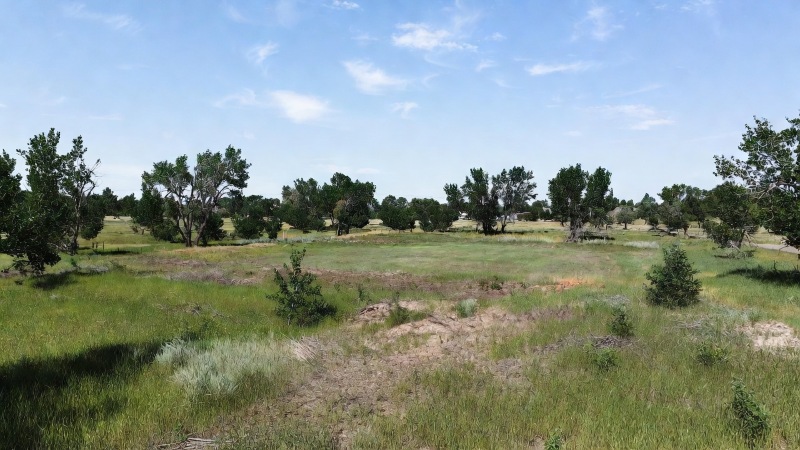
The first phase is about understanding the project. We talk through the land, the goals for the home, the way you live, the budget range, and any known constraints.
This is also when early questions start to surface. Is the site flat or sloped? Are utilities nearby? Is there an HOA? Are there views to protect, drainage issues to solve, or access questions to answer? These early details can shape the entire timeline.
Design is where the home starts to take shape. Floor plans, exterior forms, room relationships, materials, and site orientation all begin to come together.
At the same time, the budget needs to stay part of the conversation. If the design grows beyond the original intent, it is better to know early. We want clients to understand the tradeoffs while decisions are still flexible.
Once the design is developed enough, the project moves into more technical coordination. This can include estimating, structural review, energy requirements, permit documents, HOA review, and jurisdiction comments.
This phase can vary quite a bit depending on the location and complexity of the home. Treasure Valley projects, foothills lots, and mountain properties may each have different review steps, site requirements, and seasonal considerations.
Selections include items like windows, doors, cabinetry, appliances, plumbing fixtures, lighting, tile, flooring, and exterior materials. Some decisions need to happen earlier than clients expect because they affect pricing, lead times, or construction sequencing.
We encourage clients to make selections with the whole home in mind. A strong custom home is not just a collection of nice materials. It should feel connected from room to room.
Land, goals, budget range, site questions, access, utilities, views, drainage, and project priorities.
Design development, estimating, selections, structural coordination, permits, HOA review, and schedule planning.
Field sequencing, trade coordination, finish work, punch review, final details, and move-in preparation.
Construction brings the planning into the field. Site work, foundation, framing, mechanical systems, insulation, drywall, finishes, exterior work, and final details all have to be coordinated in the right order.
Near the end, punch work matters. This is where the small details are reviewed and finished so the home feels complete. Move-in is the exciting part, but the quality of the process leading up to it is what makes that moment feel right.
Most custom homes take 11 to 18 months from first meeting to move-in: about 2 to 4 months for design including permit timing, and 8 to 14 months for construction. Luxury homes run longer, about 3 to 5 months of design and 10 to 16 months of construction. Site, HOA review, weather, and selections can shift that.
Common schedule factors include site complexity, structural review, permit or HOA review, delayed selections, material lead times, weather, utility coordination, and design changes after construction planning has begun.
Start earlier than you think you need to. Early planning gives the team more room to understand the land, align the budget, develop the design, and prepare for permitting and construction.
Yes. Some selections affect pricing, ordering, and construction sequencing. Making decisions early can help reduce avoidable delays.
It can be. Mountain sites, sloped lots, seasonal access, utility runs, jurisdiction requirements, and weather can all affect the process. The location matters.
If you are thinking about a custom home in Boise, the Treasure Valley, McCall, or another Idaho community, we can help you understand the phases and what to prepare for.
Start a Planning Conversation