
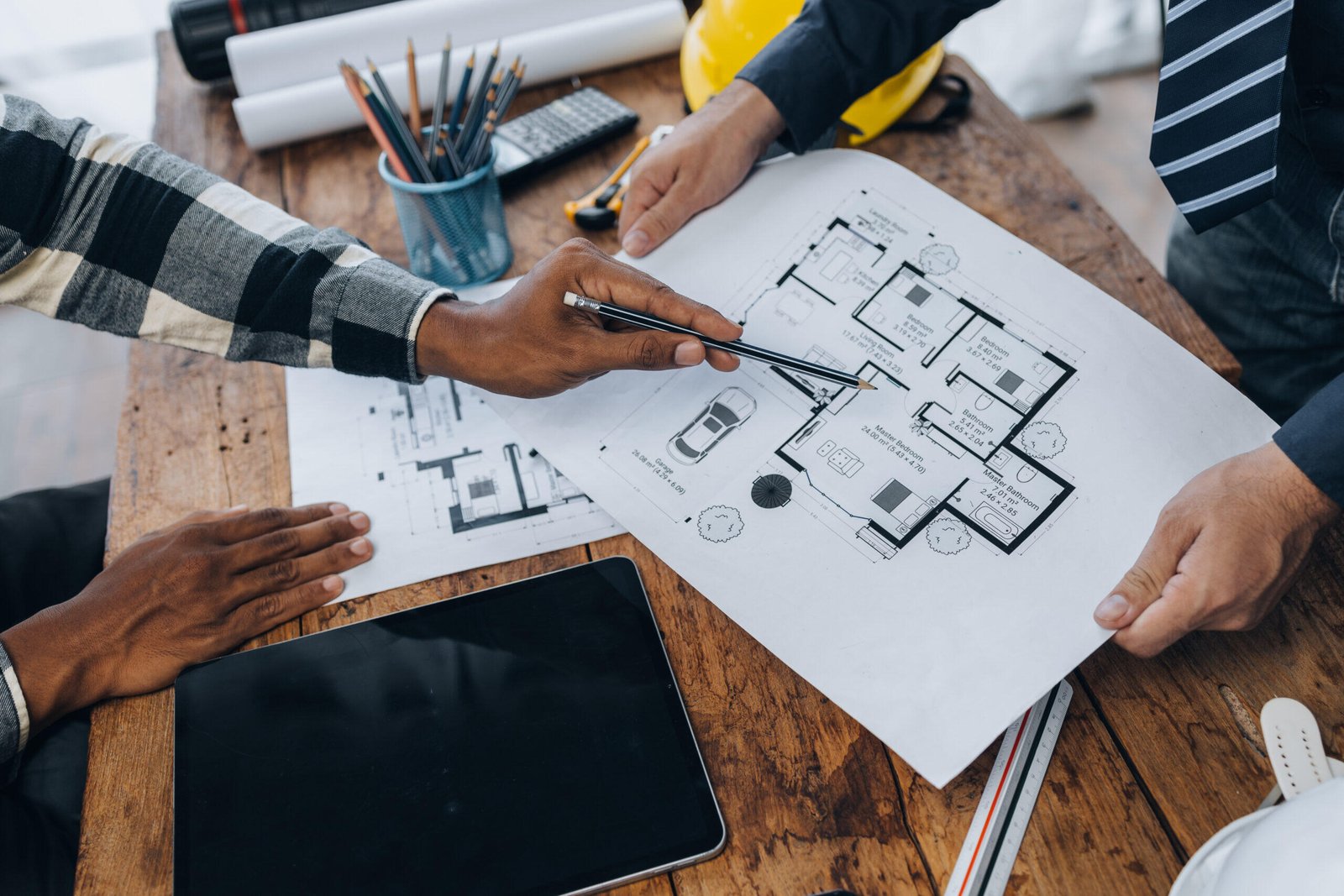
Coordination
Design-build keeps design, pricing, site questions, and construction planning in the same conversation from the beginning.
Both approaches can produce a great custom home in Boise and the Treasure Valley. The difference is how the work is coordinated, how decisions move from design into construction, and how early the budget conversation becomes part of the design process.
Talk Through Your OptionsDesign-build means one company handles both the design and the construction of your home under one contract. With the architect-and-builder route, you hire a designer first, then pick a builder once the plans are done. Design-build usually brings cost and buildability into the design sooner. The separate route makes sense if you already have a designer you trust. Read more about our in-house home design and how drawings stay tied to construction.
| Design-build | Architect + builder | |
|---|---|---|
| Who you hire | One team | Two separate firms |
| When you get real pricing | During design | After plans are done or nearly done |
| Who fixes a plans-versus-field problem | The same team | Worked out between the two firms |
| Contracts | One | Two or more |
| Best fit | You want one point of contact and early pricing | You already have a designer, or want plans bid by several builders |
Choosing how to build your custom home is one of the first big decisions you will make. Some clients hire design help first and bring in a builder later. Others choose a design-build team where design and construction stay connected from the beginning.
There is not one perfect answer for every project. What matters is choosing a process that fits how you want to communicate, make decisions, manage budget, and move from concept to construction in Idaho.
For more context, review our custom home design-build service, the Abstract RD+B process, what it costs to build a custom home here, or our broader services.
Design-build keeps design, pricing, site questions, and construction planning in the same conversation from the beginning.
A separate model can work well, but it depends on clear information moving between the design team, builder, consultants, and client.
The earlier construction input is part of the design, the easier it is to understand cost tradeoffs while decisions are still flexible.
The right choice depends on how you want to communicate, make decisions, manage budget, and move from concept to construction.
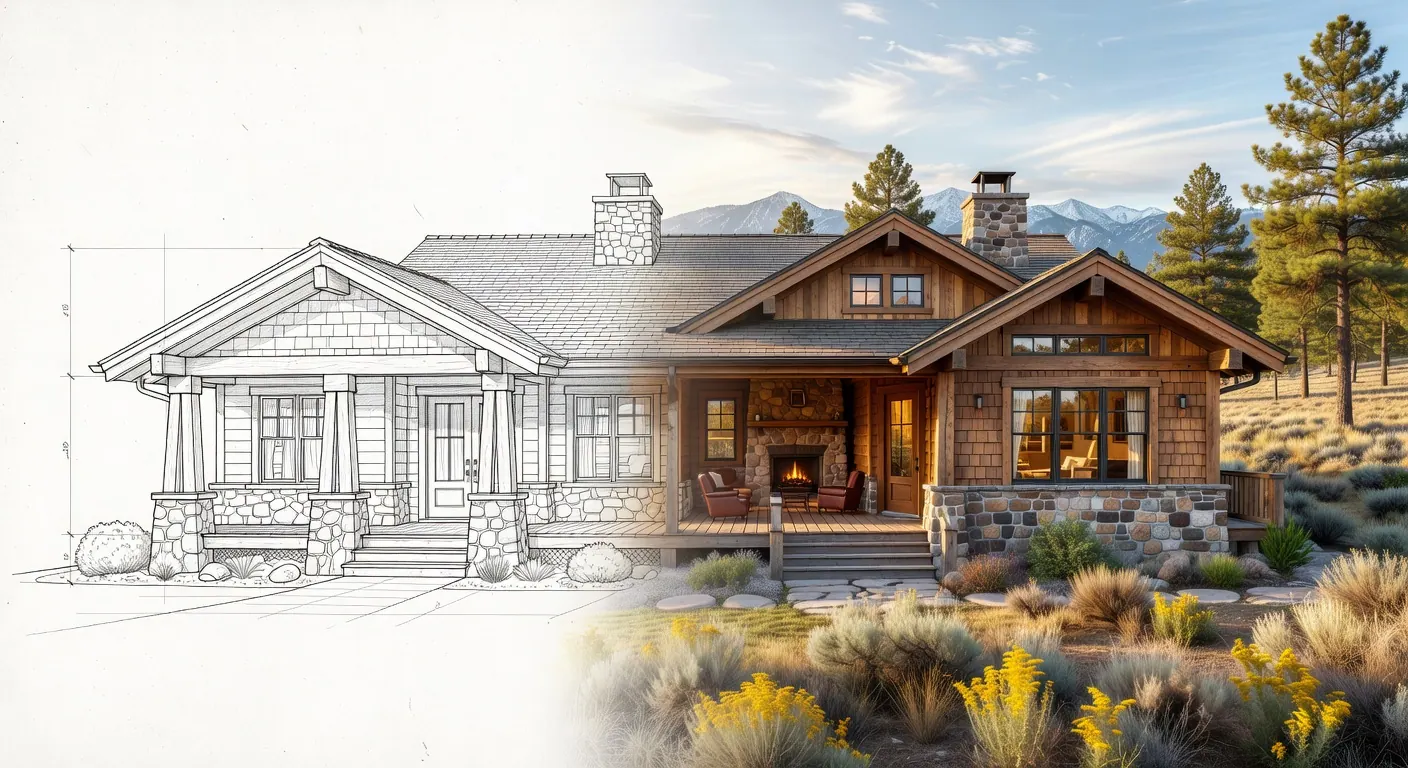
In a design-build process, the design and construction sides work as one team. That means the people shaping the plans are also thinking about how the home will be priced, built, scheduled, and coordinated in the field.
For clients, this can make the process feel more connected. Questions about materials, structure, site conditions, and cost can be discussed while the design is still flexible, rather than waiting until the plans are finished.
At Abstract RD+B, your home is designed and built by the same team. We have architectural designers on staff, and we work with local interior designers on finishes and selections, so the people drawing your plans are also thinking about cost, the site, and how the home gets built.
The traditional model separates design and construction. An architect creates the plans, and a builder is selected separately, often after the design is further along. If you plan to put drawings out to bid, read how to get a fair price without a bidding war.
This can work well when the client already has a trusted architect, wants a specific design relationship, or has a project structure that benefits from separate roles. The key is making sure the builder is brought into the conversation early enough to review constructability, budget, and schedule realities.
One of the biggest differences is the handoff. In a separate model, information has to move from the design team to the construction team. If assumptions are unclear, the client may have to help bridge that gap.
In design-build, the team is already working together. That does not remove every challenge, but it can reduce the chance that design intent, cost expectations, or construction details get lost between separate parties.
Budget surprises often happen when design decisions are made without enough construction input. A beautiful plan can become difficult if the budget conversation starts too late.
With design-build, we can talk about budget while we are still shaping the home. If a design move adds cost, the client can understand why and decide whether it is worth it. That kind of clarity helps the project stay grounded.
Design-build may be a good fit if you want one team guiding the project from early ideas through construction. It can also help if you value practical budget conversations, fewer handoffs, and a more integrated decision-making process.
Hiring an architect and builder separately may make sense if you already have one trusted partner, want a more traditional structure, or need a specific consultant arrangement. Either way, the best projects are built on clear communication, realistic expectations, and a team that respects the design and the budget. Whichever route you choose, these seven green flags of a trustworthy builder help you compare teams.
In a design-build firm, the design team and construction team are the same company. At Abstract RD+B, our in-house architectural designers draw the plans, and we work with local interior designers on finishes and selections.
Not always. Design-build is often a good fit for Idaho clients who want one coordinated team from design through construction. A separate design professional and builder can also work well when the roles are clearly defined and communication is strong.
It should not. A good design-build process still starts with thoughtful design. The difference is that construction knowledge is part of the conversation earlier.
As early as possible. Early builder input can help with site planning, structural decisions, material choices, budget expectations, and schedule planning.
It can help reduce them because design and budget are discussed together. No process can remove every unknown, especially with custom homes, but early coordination usually leads to better decisions.
We focus on clear communication, practical design decisions, and construction input early in the process so clients can make grounded choices before the project gets too far down the road.
If you are comparing design-build with hiring an architect and builder separately, we can walk through the pros, tradeoffs, and next steps for your Idaho custom home.
Talk Through Your Options